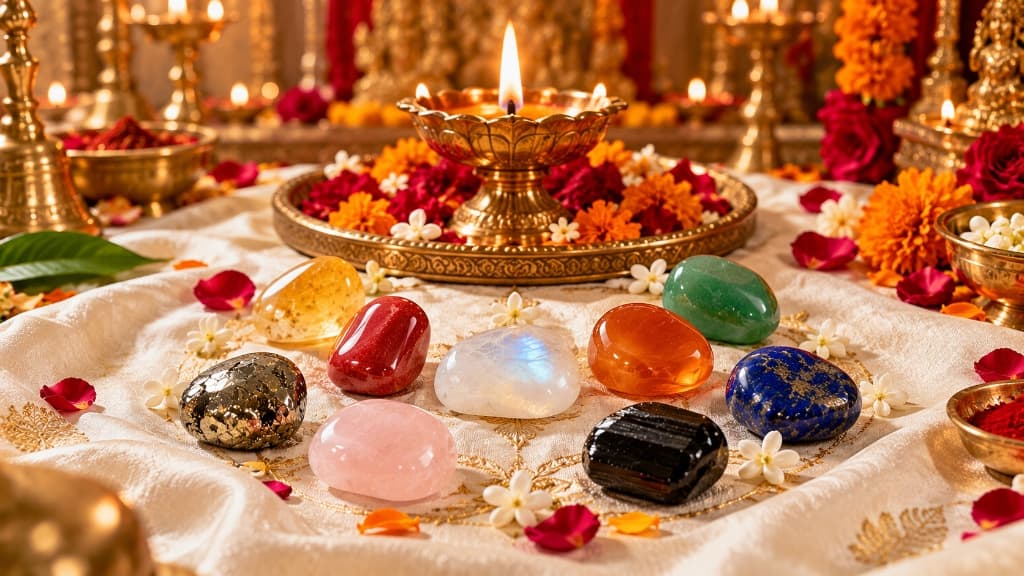
Key Takeaways at a Glance
- Carved from the sacred wood of Holy Basil (Ocimum sanctum), Tulsi Devi's divine manifestation.
- Calms the nervous system, purifies aura, and provides thermal grounding for throat and heart chakras.
- Rama Tulsi features lighter wood for peace, while Shyam (Krishna) Tulsi features darker wood for deep meditation.
- Should be energized with the sacred Gayatri or Mahamantra: 'Hare Krishna Hare Krishna Krishna Krishna Hare Hare'.
- Genuine Tulsi emits a subtle natural herbal scent and does not bleed artificial paint or stain in water.
1. What is an Original Tulsi Mala?
In Sanatan Dharma and Vedic tradition, Tulsi (Holy Basil) is revered not merely as a sacred medicinal herb, but as a living goddess—Vrinda Devi—and the dearest devotee of Lord Vishnu and Lord Krishna. The Padma Purana and Skanda Purana declare that simply beholding, touching, meditating upon, or wearing Tulsi wood cleanses spiritual impurities and shields the wearer from negative vibrations.
An authentic Tulsi Kanthi Mala is hand-crafted from naturally seasoned, dried Holy Basil stems and roots. Each bead carries the bio-energetic and electro-magnetic properties of the holy plant, known in Ayurveda for bringing deep sattva (purity), mental equilibrium, and serene contemplation.
2. Core Spiritual & Health Benefits of Wearing a Tulsi Mala
Wearing a natural Tulsi mala around the neck or wrist provides both spiritual and holistic well-being benefits documented in traditional texts and experienced by practitioners:
• Mental Calmness & Stress Reduction: Tulsi wood contains natural essential oils and volatile phytoncides that release a calming herbal aroma, helping soothe anxiety and lower cortisol levels.
• Aura Purification & Spiritual Protection: The bio-magnetic frequency of Holy Basil is believed to create a protective spiritual aura, shielding seekers from negative psychic energies, nightmares, and evil eye (Nazar).
• Throat & Heart Chakra Grounding: Resting directly over the Vishuddha (throat) and Anahata (heart) chakras, it aids clear speech, compassionate communication, and emotional harmony.
• Enhanced Japa Concentration: Using a 108+1 Tulsi japa mala activates the meridians in the fingertips, multiplying the spiritual fruit of mantra meditation.
3. Rama Tulsi vs. Shyam (Krishna) Tulsi: Which One Should You Wear?
When selecting an authentic Tulsi mala, you will encounter two primary natural varieties:
• Rama Tulsi (Shri Tulsi): Has lighter greenish-brown leaves and yields light cream to golden-brown beads. Energetically, it embodies gentle, soothing, sattvic energy ideal for beginners, students, and household peace.
• Shyam Tulsi (Krishna Tulsi): Has dark purple leaves and yields dark brown or near-black wood beads. It carries a potent meditative vibration, making it the choice of sadhaks, yogis, and devotees seeking profound inner devotion and Rahu/Saturn pacification.
Both varieties are spiritually authentic. Choose Rama Tulsi for gentler daily protection and Shyam Tulsi for intense meditative focus.
4. Sacred Vedic Rules for Wearing a Tulsi Mala (Do's and Don'ts)
To respect the sacred energy of Vrinda Devi and maximize the mala's benefits, tradition outlines key guidelines:
• Satvik Alignment: It is traditionally advised to maintain a satvik diet (avoiding non-vegetarian food, alcohol, and intoxicating substances) while wearing a consecrated neck Kanthi mala.
• Bathing Practice: You may wear the mala during a regular clean water bath. Avoid direct exposure to harsh chemical soaps, bleach, or chlorine pools, which dry out the natural wood.
• Removal during Impurity: Traditionally, the mala should be set aside during cremation grounds visits or periods of deep physical impurity, and rinsed in holy Ganga water before re-wearing.
• Separate Japa and Neck Malas: A Kanthi mala worn around the neck should remain on the body. A 108-bead Japa Mala used for chanting should be kept in a clean Gomukhi japa bag and never worn around the neck.
5. Step-by-Step Energization (Pran Pratishtha) Vidhi at Home
Before wearing your new Devkhatiy Tulsi Mala, perform this simple 5-step Vedic sanctification:
1. Auspicious Day: Choose a Wednesday, Thursday, or Ekadashi morning during Shukla Paksha (waxing moon phase).
2. Cleansing: Gently wash the beads with fresh Ganga Jal mixed with a few drops of raw cow milk to purify the natural wood.
3. Scent Offering: Apply a drop of natural sandalwood paste (Chandan) or ittar to the Guru bead.
4. Mantra Chanting: Sit facing East or North. Hold the mala in your clean hands and chant the Mahamantra 108 times: 'Hare Krishna Hare Krishna Krishna Krishna Hare Hare, Hare Rama Hare Rama Rama Rama Hare Hare' or the Tulsi Gayatri: 'Om Tulasi Devyai Cha Vidmahe, Vishnu Preyasai Cha Dheemahi, Tanno Brindah Prachodayat'.
5. Wearing: Bow respectfully to the Sun and Lord Vishnu, then place the mala around your neck or wrist with pure intent.
6. How to Identify Real vs. Fake Tulsi Beads
Due to rising demand, many vendors sell cheap synthetic wood or dyed sawdust replicas. Here is how to test real Tulsi beads:
• The Water Absorption Test: Place a bead in lukewarm water. Authentic natural Tulsi wood will absorb water naturally and deepen slightly in shade, but will NEVER bleed artificial colored dye or chemical paint.
• The Natural Aroma Test: Gently scratch an inconspicuous bead or rub it between your palms. Genuine Tulsi releases a sweet, herbal, peppery basil scent. Fake wood beads either smell of synthetic chemical varnish or have no scent at all.
• Natural Grain & Texture: Because genuine beads are carved from real stems, each bead will have slight, beautiful natural irregularities and rings. Completely uniform, glassy smooth plastic beads are unmistakable fakes.
Rama Tulsi vs Shyam (Krishna) Tulsi vs Fake Dyed Wood — Complete Comparison
| Attribute | Rama Tulsi (Shri) | Shyam Tulsi (Krishna) | Fake Synthetic Wood / Dyed Beads |
|---|---|---|---|
| Wood Color | Light cream to golden warm brown | Dark purple-brown to near black | Uniform dark black or glossy paint |
| Leaf Source | Light green Holy Basil leaves | Dark purple Holy Basil leaves | Ordinary timber / chemical dyed wood |
| Spiritual Energy | Gentle, soothing, sattvic peace | Deep meditative focus & intense devotion | Zero spiritual vibration — chemical coating |
| Primary Deity | Lord Rama & Goddess Lakshmi | Lord Krishna & Radha Rani | None |
| Best For | Daily household wear, students, peace | Sadhaks, deep japa meditation, Rahu shanti | Avoid — harmful skin rashes & allergies |
| Scent (Rub Test) | Subtle sweet peppery herbal aroma | Earthy, spicy basil fragrance | Chemical varnish, paint or zero scent |
| Water Test | Absorbs water, deepens shade naturally | Absorbs water, no color bleeding | Bleeds synthetic black/brown chemical dye |
| Vedic Rules (Niyam) | Satvik lifestyle, clean bath wear | Satvik lifestyle, strict japa practice | Not applicable |
| Devkhatiy Price | ₹399 – ₹699 | ₹499 – ₹799 | Sold cheaply (₹50-100) on street stalls |
Experience Authentic 5 Mukhi Blessings
Hand-selected natural beads, purified with traditional Vedic rituals, and delivered with a Certificate of Authenticity.
Frequently Asked Questions
Can anyone wear a Tulsi Mala regardless of age or gender?
Yes, both men, women, and children can wear authentic Tulsi Malas. It is universally auspicious and bestows peace of mind and protection.
How many rounds should a Tulsi Kanthi Mala have?
A neck Kanthi Mala typically has 1 round (single strand), 2 rounds, or 3 rounds. Single strand is great for daily comfort; 2 or 3 strands are traditionally favored in Gaudiya Vaishnava practices.
Can I wear Rudraksha and Tulsi together?
Yes, wearing Rudraksha (Lord Shiva's energy) and Tulsi (Lord Vishnu's energy) represents the divine Hari-Hara union, balancing both transformative willpower and peaceful preservation.
What happens if my Tulsi Mala breaks?
If a mala breaks, it has absorbed negative energies or completed its energetic cycle. Do not discard it in the trash; respectfully submerge it in a sacred flowing river or bury it under the soil near a living plant.
What are the core benefits of wearing a Tulsi Mala?
Wearing a natural Tulsi mala around your neck helps stabilize body temperature (balancing Pitta dosha), calms an anxious nervous system, shields your aura from negative psychic vibrations, and stimulates the throat and heart chakras for compassionate speech and spiritual clarity.
What are the rules (niyam) for wearing a Tulsi Mala?
The essential niyams include: 1) Maintain a satvik diet (avoid non-veg and alcohol), 2) Remove before entering funeral grounds, 3) Do not use your neck Kanthi mala for counting japa (keep a separate 108 japa mala), 4) Avoid touching it with unwashed hands, and 5) Cleanse periodically with Gangajal and raw milk.
How much does an authentic original Tulsi Mala cost?
An authentic, hand-carved natural Tulsi mala typically costs between ₹399 and ₹799 depending on bead size (6mm to 8mm) and whether it is single or multi-round. Beware of imitation plastic or dyed wooden beads sold under ₹150.
Related Vedic Guides
Explore authentic sacred remedies and Vedic wearing practices
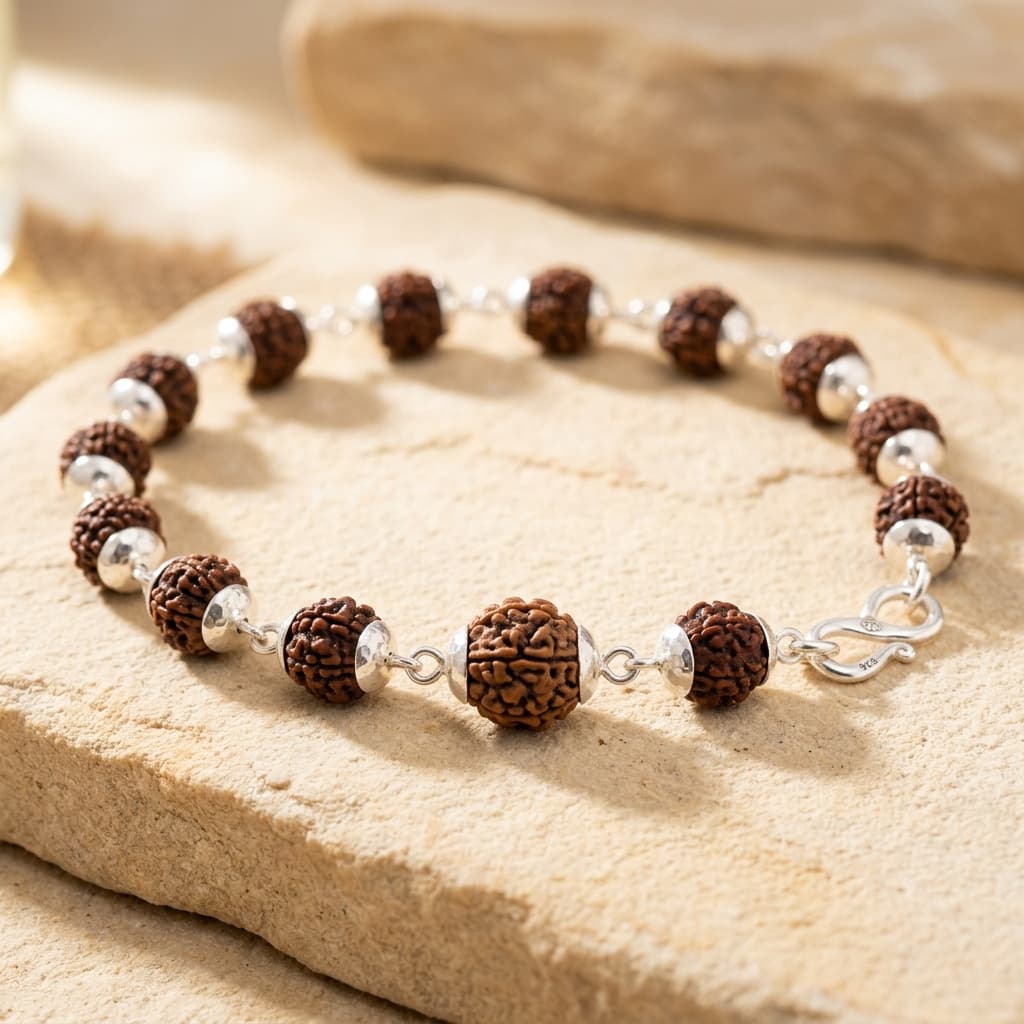
5 Mukhi Rudraksha: Sacred Benefits, Rules, and How to Wear (Complete Vedic Guide)
6 min read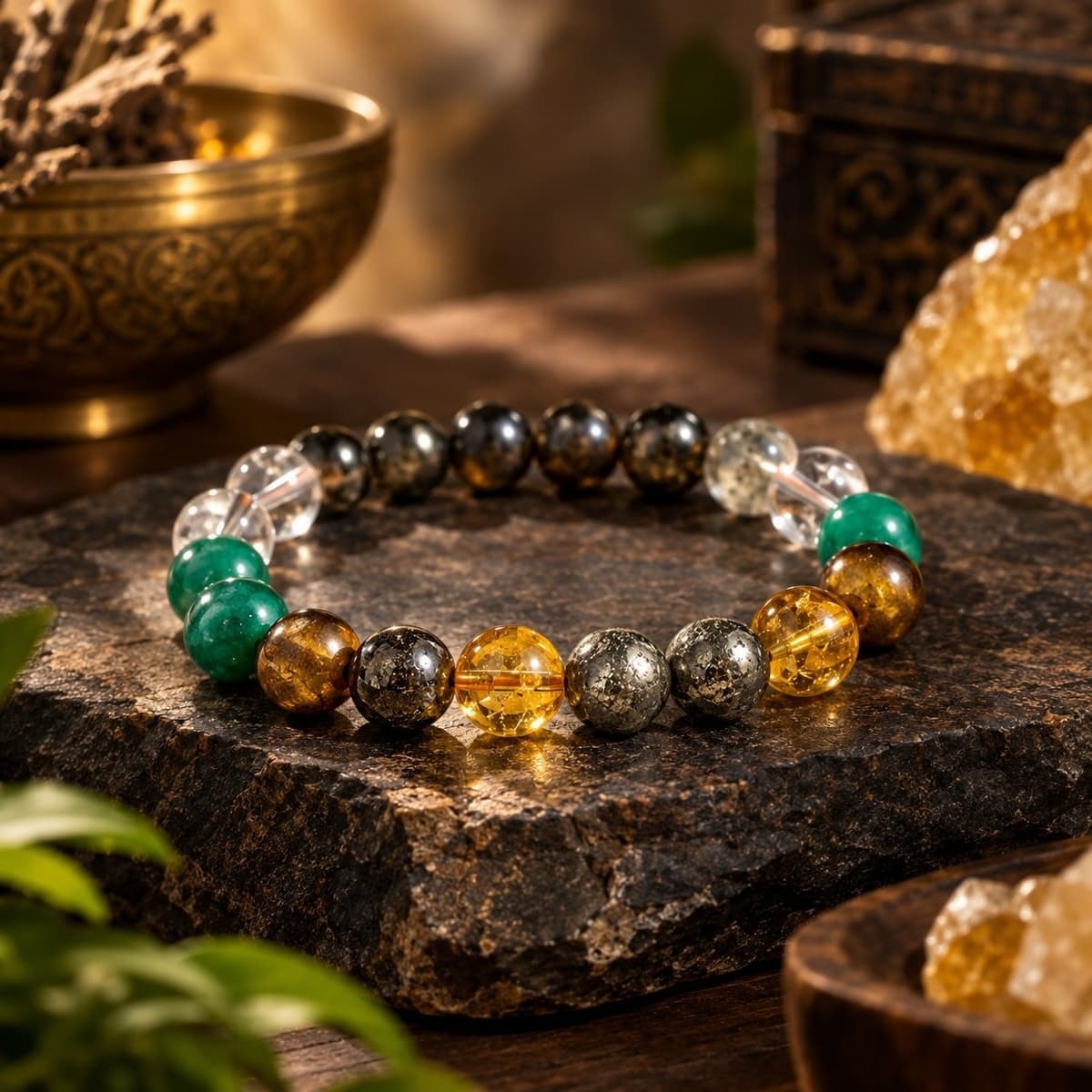
Pyrite & Citrine (Money Magnet): Benefits, How to Wear, and Manifesting Wealth
7 min read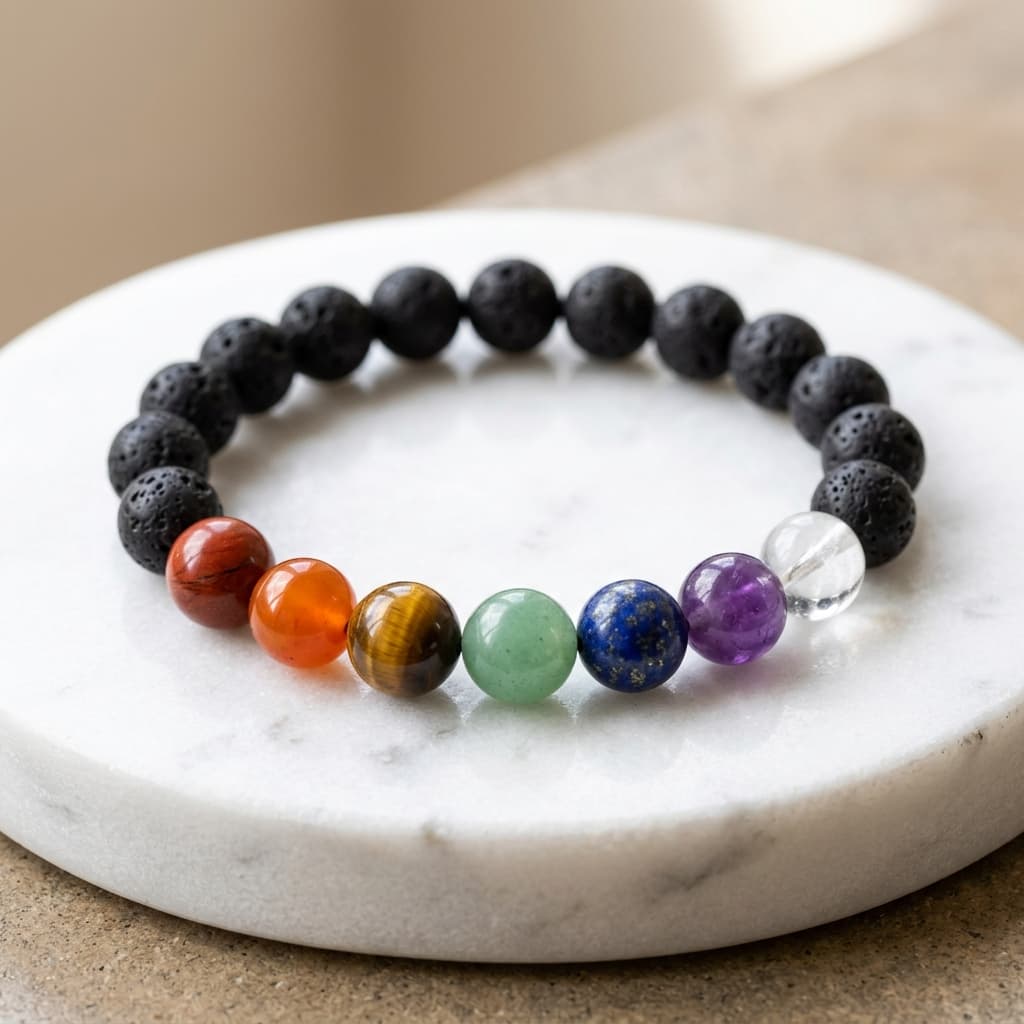
7 Chakra Bracelet Meaning, Stone Benefits, and How to Balance Your Energy
6 min read
7 Mukhi Nepali Rudraksha: Goddess Lakshmi Blessings & Saturn (Shani) Remedy
6 min readReal vs Fake Rudraksha: How to Identify Original Beads & Bust Popular Myths
8 min read
Rudraksha Wearing Rules (Niyams): Auspicious Days, Mantras, Food & Daily Do's and Don'ts
7 min readTiger Eye Stone Benefits: Meaning, Properties, Career Growth & Who Should Wear It
7 min readHow to Cleanse & Recharge Healing Crystals at Home (Water Warning, Full Moon & Smudging Vidhi)
8 min read
Black Tourmaline Bracelet: Ultimate Shield for Negative Energy, Evil Eye & EMF Smog
6 min read
Navagraha Gemstones Guide: 9 Planetary Stones, Vedic Benefits & Astrological Wearing Rules
9 min read
9 Mukhi Rudraksha: Maa Durga Blessings, Navratri Rules & Astrological Benefits (Vedic Guide)
8 min read
Durga Puja & Navratri Spiritual Protection: Red Coral, Kali Hakik & Sacred Shakti Remedies
8 min read