Key Takeaways at a Glance
- The viral 'rotating between two copper coins' test is pure physics (electromagnetism & balance), not proof of genuine Rudraksha.
- The 'water sinking test' is unreliable because unripe genuine beads can float, while dense lead-filled fake beads sink immediately.
- Authentic Rudraksha beads possess continuous natural grooves (mukhis) extending without glue lines from stem to tail.
- Radiographic X-ray imaging is the only 100% foolproof scientific method to count internal seed chambers.
- All Devkhatiy Nepali Rudraksha beads are independently verified for botanical and structural authenticity.
1. The Counterfeit Epidemic in the Spiritual Market
With growing global awareness of Lord Shiva's sacred beads, fraudulent practices have skyrocketed in India and abroad. Unscrupulous sellers frequently manufacture fake Rudrakshas using carved betel nuts (supari), compressed sawdust, wild berries (Bhadraksha), or synthetic resin molded with artificial clefts.
Even more deceitful is the practice of carving extra mukhis into common 5 Mukhi beads or gluing pieces together to counterfeit rare 1 Mukhi, 14 Mukhi, or Gauri Shankar beads, selling them for thousands of rupees to unsuspecting devotees.
2. Popular Testing Myths Debunked by Gemologists
Myth 1: The Copper Coin Rotation Test — It is widely claimed that placing a bead between two pure copper coins will cause it to rotate clockwise if authentic. In reality, any rounded, ridged object with slight magnetic iron trace elements or physical torque will rotate when held between flat metallic planes. Even a carved piece of grooved wood can spin.
Myth 2: The Water Sinking Test — Folk belief says a real Rudraksha sinks in water while a fake one floats. This is factually dangerous. A completely dried, unripe, or hollow natural bead may float due to internal air pockets, while counterfeit beads made of heavy synthetic resin or weighted with lead cores will sink immediately.
Myth 3: The Milk Boiling Test — The idea that boiling a bead in cow milk will keep the milk fresh for days is an unverified urban legend that can permanently damage the fragile essential oils inside a natural bead.
3. Genuine Scientific Methods to Verify Authentic Rudraksha
1. Microscopic Examination of Clefts (Mukhis): Under a 10x gemological loupe, natural mukhis show unbroken, deep, natural furrows formed by nature during fruit growth. In fake beads, carving marks, glued joint seams, or artificial chisel indentations become glaringly visible.
2. Radiographic X-Ray Analysis: This is the global gold standard used by accredited gemological laboratories. An X-ray radiograph reveals the internal anatomy of the bead, proving whether the number of internal embryonic seed cavities (locules) precisely matches the external mukhis.
3. Pedicel & Apex Integrity: Genuine beads feature a natural pedicel (stem attachment) at the top and a natural apex at the bottom, with continuous compartmental walls connecting them.
4. Nepali vs Java (Indonesian) Rudraksha: Key Differences
Nepali Beads: Large in size (typically 18mm to 30mm), deeply defined mukhis with high spiky ridges (Mukha Mukhi), heavier in hand, and exhibiting the strongest bio-magnetic radiation. Revered in ancient scripture as the superior grade for spiritual sadhana.
Java (Indonesian) Beads: Smaller in diameter (4mm to 14mm), smoother surface with faintly visible lines, and lighter weight. Excellent for subtle everyday bracelets and multi-bead japa malas.
Both Nepali and Java beads are botanically authentic, but Nepali beads carry significantly higher natural energy and scriptural prominence.
Authentic Nepali vs Java Rudraksha vs Fake Counterfeits — Complete Matrix
| Parameter | Authentic Nepali Bead | Authentic Java (Indonesian) Bead | Fake Counterfeit Bead |
|---|---|---|---|
| Bead Size | Large (18mm – 32mm) | Small to Medium (4mm – 14mm) | Variable / artificially uniform |
| Surface Ridges | Deep, rugged, pronounced spiky furrows | Smooth surface with delicate fine lines | Machine-carved, sharp edges or glue seams |
| Internal Seeds | Distinct seed compartments (X-ray verified) | Tiny internal seed cavities | Solid plastic, supari core, or hollow glue |
| Bio-Magnetic Energy | Highest vibrational intensity & aura influence | Mild, subtle, gentle everyday energy | Zero spiritual vibration |
| Ideal Purpose | Astrological remedies, single pendants, high sadhana | 108 Japa malas, lightweight wrist bracelets | Useless — potential skin irritation |
| Water Reaction | Natural absorption, deepens color without paint bleed | Natural absorption, no discoloration | Chemical paint bleeds or floats unnaturally |
| Devkhatiy Guarantee | 100% Certified Original with Lab Card | 100% Genuine Indonesian Beads | Strictly Prohibited & Screened Out |
Experience Authentic 5 Mukhi Blessings
Hand-selected natural beads, purified with traditional Vedic rituals, and delivered with a Certificate of Authenticity.
Frequently Asked Questions
How can I verify my Rudraksha bead at home safely?
Inspect the grooves under bright light with a magnifying glass to ensure there are no sharp knife cuts, glue marks, or unnatural seam lines. Smell the bead — it should have a subtle earthy, woody scent, never chemical varnish or plastic glue smell.
Does Devkhatiy provide lab test certificates with Rudraksha?
Yes. Every individual Nepali Rudraksha bead and silver-capped wearable from Devkhatiy is accompanied by an authenticity certificate verifying natural seed structure, botanical origin, and zero synthetic adulteration.
What is Bhadraksha and how is it used to fake Rudraksha?
Bhadraksha is a seed from a cousin plant of Elaeocarpus that resembles Rudraksha but lacks internal energetic compartments and spiritual efficacy. Dishonest traders often pass off flatter Bhadraksha as rare 1 Mukhi or 2 Mukhi beads.
Can an original Rudraksha break or crack?
Yes. Being a natural botanical seed, Rudraksha can crack if dropped on hard marble floors, subjected to extreme heat, or dried out without periodic oiling with pure mustard or sandalwood oil.
Why do prices of Rudraksha vary so widely across sellers?
Pricing depends on botanical origin (Nepal vs Indonesia), bead size, mukhi rarity (5 Mukhi is abundant, while 1 to 14 Mukhi are rare), silver capping hallmark, and whether independent gemological lab testing is performed.
Related Vedic Guides
Explore authentic sacred remedies and Vedic wearing practices
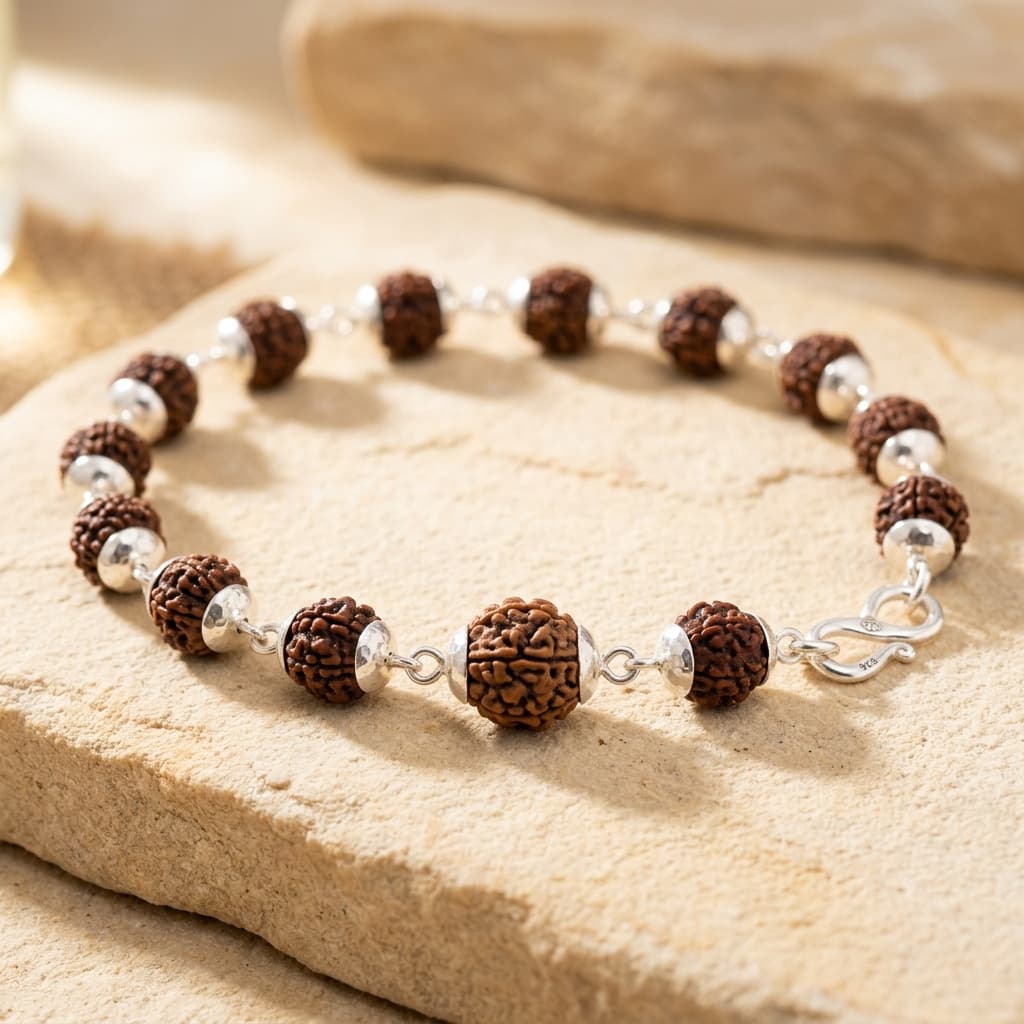
5 Mukhi Rudraksha: Sacred Benefits, Rules, and How to Wear (Complete Vedic Guide)
6 min read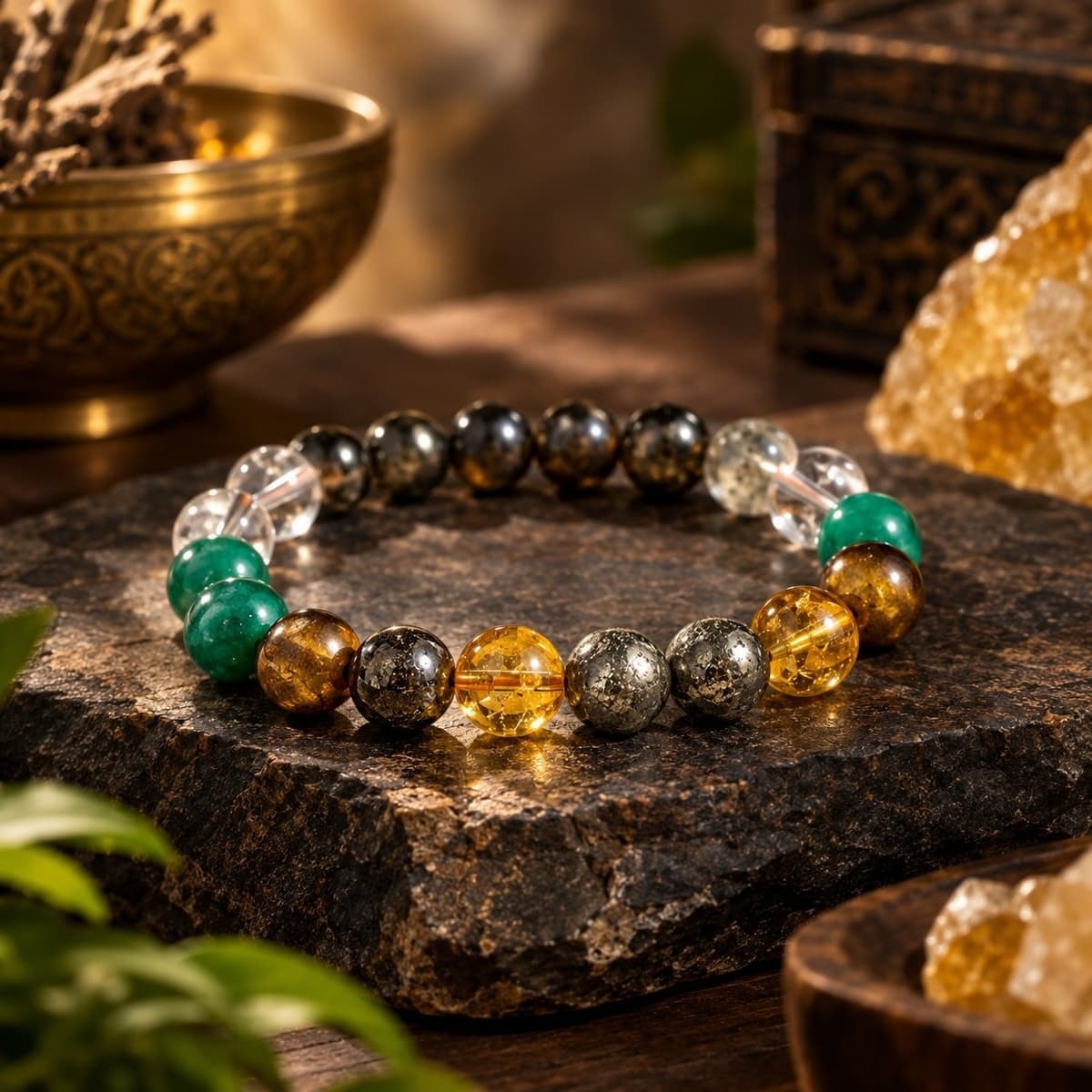
Pyrite & Citrine (Money Magnet): Benefits, How to Wear, and Manifesting Wealth
7 min read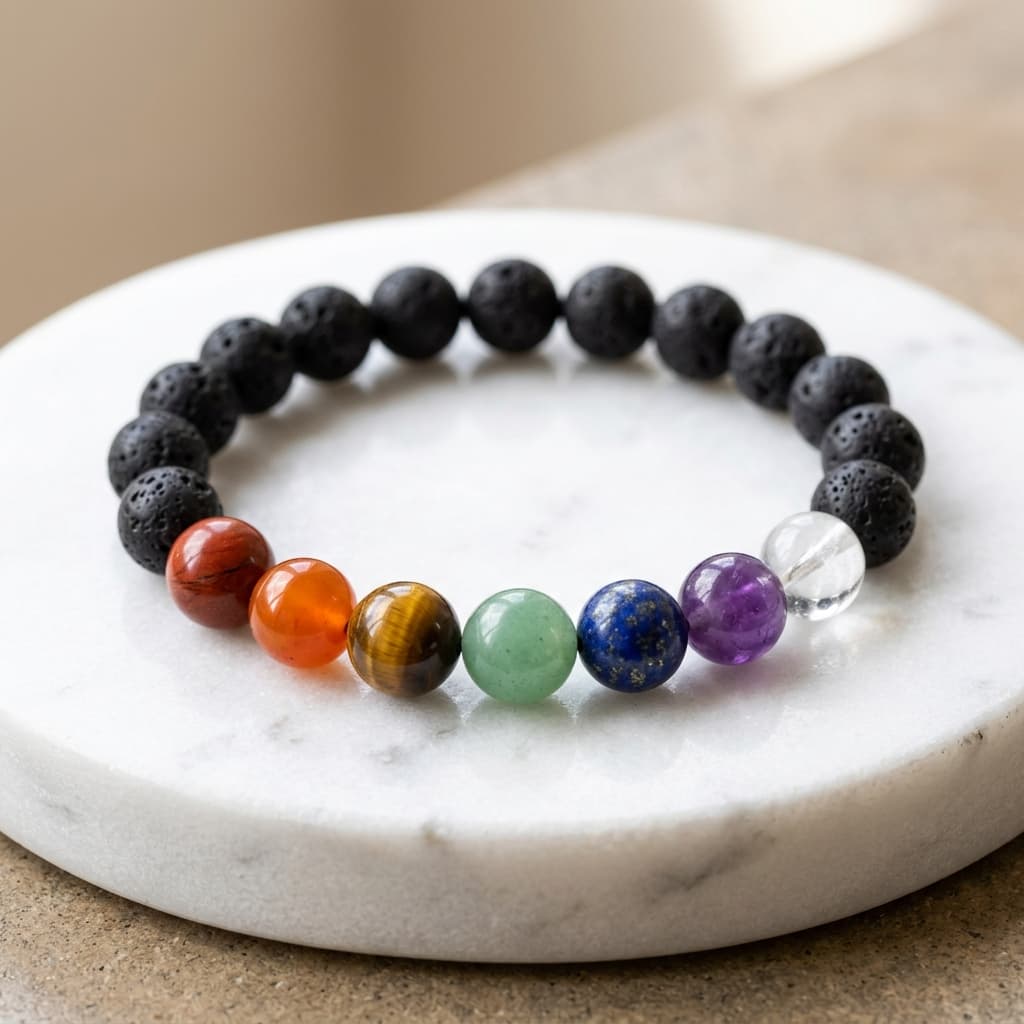
7 Chakra Bracelet Meaning, Stone Benefits, and How to Balance Your Energy
6 min read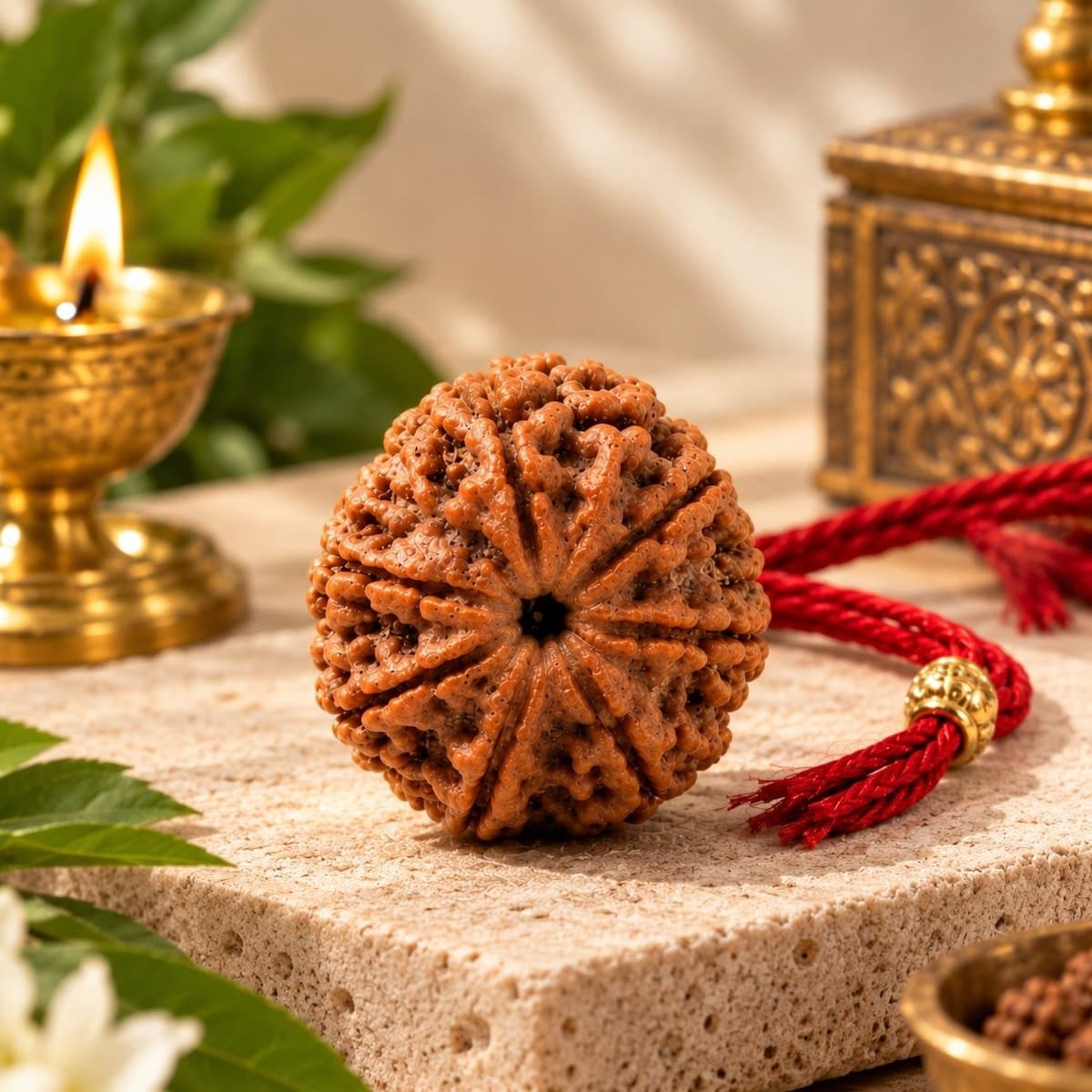
7 Mukhi Nepali Rudraksha: Goddess Lakshmi Blessings & Saturn (Shani) Remedy
6 min read
Original Tulsi Mala: Sacred Benefits, Rules, and How to Wear (Complete Vedic Guide)
7 min read
Rudraksha Wearing Rules (Niyams): Auspicious Days, Mantras, Food & Daily Do's and Don'ts
7 min readTiger Eye Stone Benefits: Meaning, Properties, Career Growth & Who Should Wear It
7 min readHow to Cleanse & Recharge Healing Crystals at Home (Water Warning, Full Moon & Smudging Vidhi)
8 min read
Black Tourmaline Bracelet: Ultimate Shield for Negative Energy, Evil Eye & EMF Smog
6 min read
Navagraha Gemstones Guide: 9 Planetary Stones, Vedic Benefits & Astrological Wearing Rules
9 min read
9 Mukhi Rudraksha: Maa Durga Blessings, Navratri Rules & Astrological Benefits (Vedic Guide)
8 min read
Durga Puja & Navratri Spiritual Protection: Red Coral, Kali Hakik & Sacred Shakti Remedies
8 min read